천안김안과 천안역본점천안김안과 천안역본점

2day LASEK

1050Hz Ultra-Fast Laser, 3-Day Recovery

Key Information at a Glance

Check key details like consultation time and recovery period

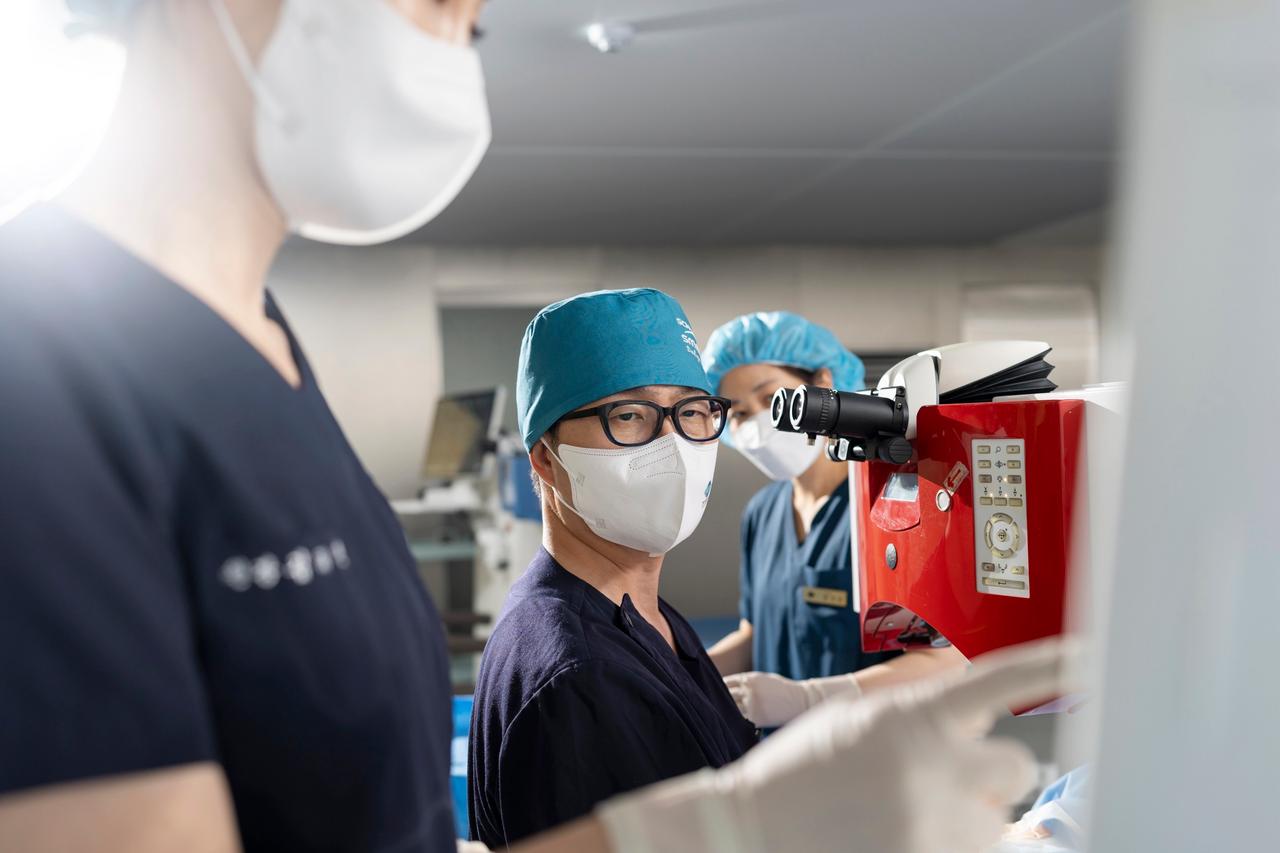
  • Surgical Precision

    1,050 micro-adjustments per second minimize corneal damage
  • Corneal Preservation

    World smallest laser beam minimizes surrounding corneal damage

  • Recovery Period

    Approx. 48 Hours (2 Days)

  • Surgical Method

    100% All Laser

For You

Recommended For

We recommend a consultation if you have any of the following concerns

  • Those with thin corneas ineligible for LASIK

    Those with thin corneas ineligible for LASIK

    LASEK requires less corneal ablation, enabling safe vision correction even for those with thin corneas.

  • Those who want safe and precise surgery

    Those who want safe and precise surgery

    We deliver safe and precise results with the latest equipment and extensive surgical experience.

  • Those with severe dry eye syndrome

    Those with severe dry eye syndrome

    2day LASEK uses SPT (Smart Pulse Technology) to smooth the corneal surface at the nanometer level, reducing dry eye occurrence compared to conventional LASEK.

  • Those concerned about light glare

    Those concerned about light glare

    AMARIS RED's 0.54mm super Gaussian beam minimizes the irradiation area to reduce night glare, with 7-dimensional eye tracking enabling precise correction.

  • Those concerned about surgery costs

    Those concerned about surgery costs

    2day LASEK offers excellent vision correction at a more affordable cost compared to SMILE, and is the most commonly chosen procedure.

Expected Effects

See clinically proven effects

  • Pain Relief Within 48 Hours

    Back to normal in 48 hours

  • Minimized side effects

    Minimized glare and dry eye

  • Reduced surgical area preserves cornea

    More residual cornea preserved

Worried about treatment? Let AI guide you

Get your treatment questions answered now

What Makes Us Different

Extensive clinical experience and cutting-edge equipment for better outcomes

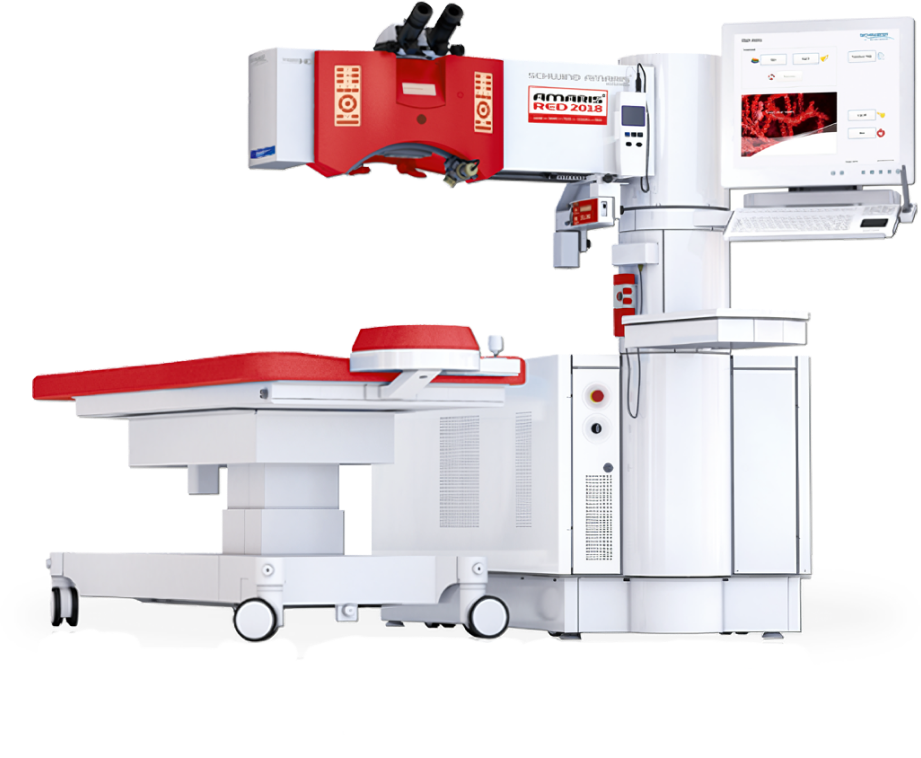
  • Amaris RED Laser

    Amaris RED Laser

    The AMARIS 1050 RED by SCHWIND (Germany) delivers 1,050 pulses per second with the world's smallest 0.54mm super-Gaussian beam. Its 7-dimensional eye tracking (X·Y·Z position + 3 rotational axes + pupil size) compensates for micro-movements in real time, while the flying spot method enables precise ablation without heat accumulation.
  • Smart Pulse Technology

    Smart Pulse Technology

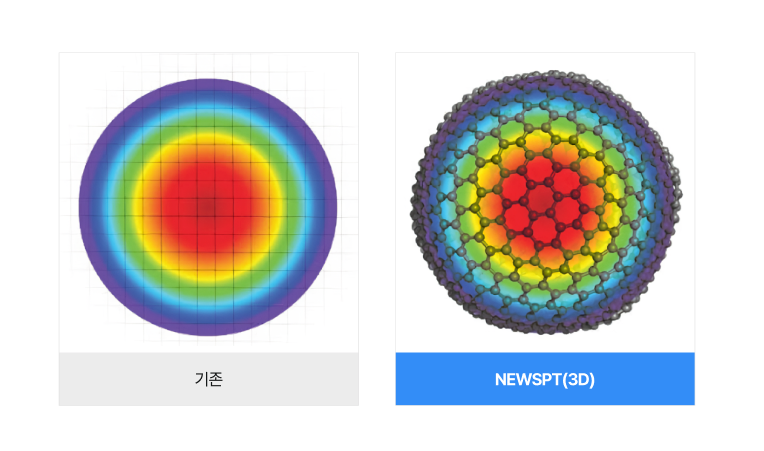
    SPT (Smart Pulse Technology) analyzes the 3D corneal surface topology to automatically calculate optimal laser patterns. It smooths the corneal surface at nanometer precision, reducing light scatter and promoting epithelial regeneration—the key technology behind "Today" LASEK's 2-day pain relief.

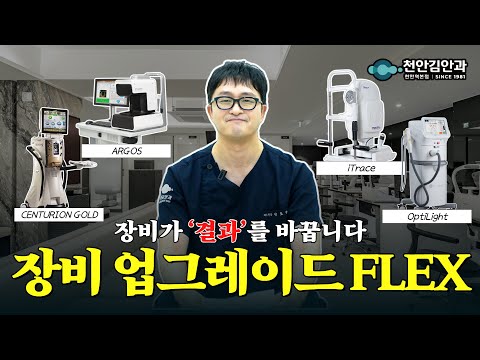
Premium Equipment for Precise Care and Procedures

We operate globally recognized state-of-the-art equipment

Treatment Process

How We Treat

From precise examination to customized treatment, step by step
  1. Anesthesia & Sterilization

    1. Anesthesia & Sterilization

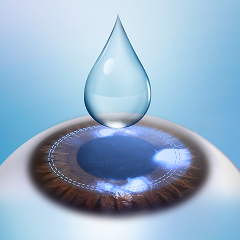
    Eye drops for anesthesia are applied after sterilizing the area around the eye.
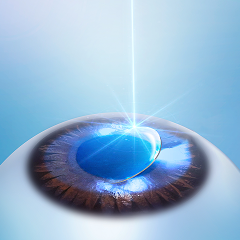
  2. Laser Epithelium Removal

    2. Laser Epithelium Removal

    The corneal epithelium is removed using laser equipment.
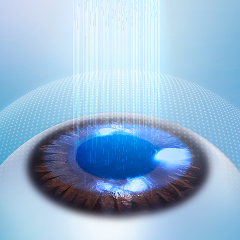
  3. Laser Vision Correction

    3. Laser Vision Correction

    Laser is applied to the corneal stroma for vision correction.
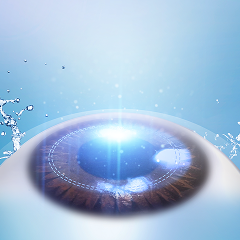
  4. Debris Cleaning

    4. Debris Cleaning

    Surgical debris is thoroughly cleaned from the treatment area.
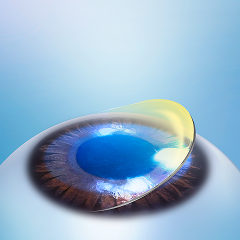
  5. Protective Lens Application

    5. Protective Lens Application

    A protective special lens is placed to complete the procedure.

FAQ

Frequently Asked Questions

Common questions before your visit

  • Q. What are the differences between LASIK, LASEK, and SMILE?

    LASIK creates a corneal flap, LASEK removes the epithelium then uses laser. SMILE extracts a lenticule through a 2mm micro-incision, offering less pain and faster recovery.

  • Q. Can vision deteriorate after surgery?

    Myopia recurrence after vision correction is rare. Some regression may occur in high myopia cases, and re-correction is possible. ICL lenses can be replaced or removed for added safety.

  • Q. What is the eligible age for surgery?

    Surgery is available for those 18 and older with stable vision for the past 6 months. Individual eligibility is determined through comprehensive examination.

  • Q. Can both eyes be treated at the same time?

    Yes. SMILE and LASEK are typically performed on both eyes simultaneously. For ICL, there is usually a 1-2 day interval between eyes.

  • Q. When can I return to daily activities?

    SMILE: next day, 2day LASEK: 2-3 days, ICL: next day. Avoid alcohol and intense exercise for 2 weeks.

Precautions

Pre and Post-Care Instructions

Please follow these guidelines for optimal results

  • Avoid water in eyes

    Avoid getting water in your eyes on surgery day

  • Shower precautions

    Shower from next day, avoid water in eyes

  • Wear sunglasses outdoors

    Wear sunglasses for UV protection outdoors

  • No alcohol or strenuous exercise for 2 weeks

    Avoid alcohol and strenuous exercise for 2 weeks

  • Do not rub or press eyes

    Do not rub or press your eyes

Related Information Worth Knowing

Learn about similar symptoms and related conditions

  • What is 2day LASEK?

    What is 2day LASEK?

  • Why AMARIS RED?

    Why AMARIS RED?

    Technical comparison with competing laser equipment

  • LASEK - Surgery Principles, Recovery, and Candidates

    LASEK - Surgery Principles, Recovery, and Candidates

  • Comprehensive Vision Correction Comparison Guide

    Comprehensive Vision Correction Comparison Guide

  • Side Effects of Vision Correction - Prevention and Management

    Side Effects of Vision Correction - Prevention and Management

  • 7-Day Recovery Journal after LASIK/LASEK/Smile

    7-Day Recovery Journal after LASIK/LASEK/Smile

  • Post-Vision Correction Exercise and Daily Life Guide

    Post-Vision Correction Exercise and Daily Life Guide

  • Regular Check-ups after Vision Correction - Why 2-3 Times a Year?

    Regular Check-ups after Vision Correction - Why 2-3 Times a Year?

  • Self-Diagnosis Guide for Choosing Vision Correction Surgery

    Self-Diagnosis Guide for Choosing Vision Correction Surgery

  • 5 Cases Where LASIK/LASEK/Smile is Not Recommended

    5 Cases Where LASIK/LASEK/Smile is Not Recommended

Need Eye Care Consultation?

Our specialists will guide you with care