Corneal Specialized Treatment
시술

Corneal Specialized Treatment

Comprehensive Treatment for All Corneal Conditions

Overview

Procedure Overview at a Glance

Check key details including procedure time, recovery period, and anesthesia method

Procedure Time
Procedure TimeCXL ~30min, amniotic membrane ~20min
Recovery Period
Recovery Period1-2 weeks follow-up after procedure
Procedure Method
Procedure MethodEye drops (PRP) · Non-incisional (CXL · Amniotic)
Applicable Conditions
Applicable ConditionsCorneal erosion, ulcer, keratoconus, etc.
For You

Recommended For

We recommend a consultation if you have any of the following concerns

Those with pterygium

Those with pterygium Pterygium is removed via excision with amniotic membrane transplantation to minimize recurrence.

Those diagnosed with keratoconus

Those diagnosed with keratoconus Keratoconus progression is controlled with CXL (corneal collagen cross-linking) to prevent further vision deterioration.

Those with recurring pain from corneal erosion

Those with recurring pain from corneal erosion Recurring corneal epithelial erosion pain is fundamentally improved with laser treatment.

Those needing keratitis treatment

Those needing keratitis treatment We provide precise diagnosis by keratitis type—bacterial, herpetic, etc.—followed by appropriate medication therapy.

Those with decreased vision after corneal trauma

Those with decreased vision after corneal trauma Scarring or damage from corneal trauma can cause vision loss; precise diagnosis and appropriate treatment can restore vision.

Those with blurred vision due to corneal opacity

Those with blurred vision due to corneal opacity Corneal opacity can result from infection, trauma, or degenerative diseases; customized treatment based on the cause can improve vision.

Results

Expected Results After Treatment

Discover clinically proven treatment outcomes

Corneal Regeneration with Natural Growth Factors
Corneal Regeneration with Natural Growth FactorsHealing factors from autologous serum and amniotic membrane
Treatment for Refractory Corneal Diseases
Treatment for Refractory Corneal DiseasesAddresses conditions unresponsive to conventional treatment
Long-Term Stability through Corneal Strengthening
Long-Term Stability through Corneal StrengtheningCXL strengthens corneal collagen bonds

Worried about treatment? Let AI guide you

Get your treatment questions answered now

Our Edge

What Makes Us Different

Extensive clinical experience and cutting-edge equipment for better outcomes

ONE-STOP PROCESS
ONE-STOP PROCESS
University Hospital-Grade Advanced Equipment
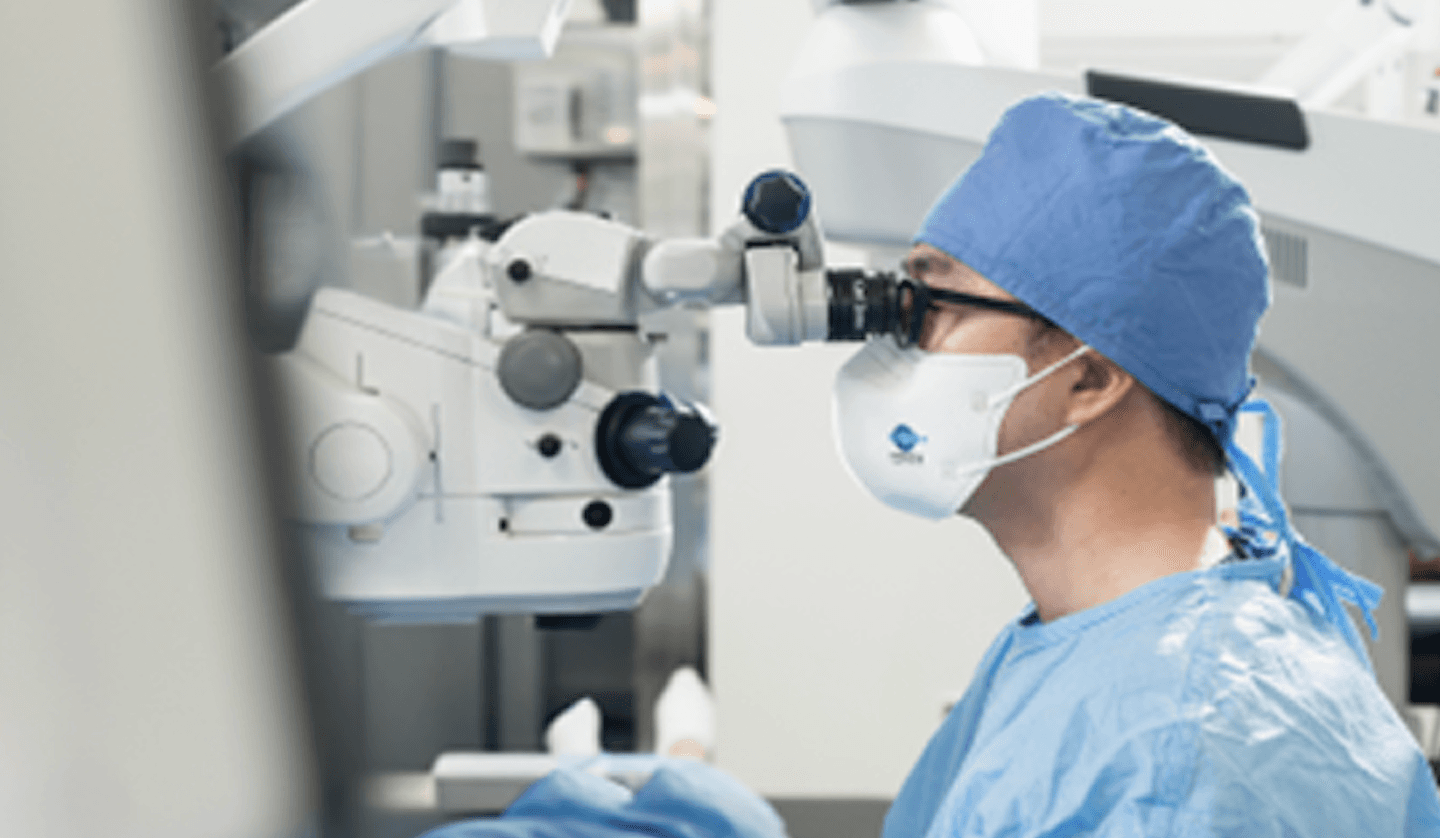
Transparent Treatment & Clean Room Surgery
Cheonan Kim Eye Clinic promises transparent treatment and surgery. Vision correction and cataract surgeries are performed in an open surgical center visible from the waiting area, while retina surgeries are safely conducted in a dedicated sterile clean room.
Equipment

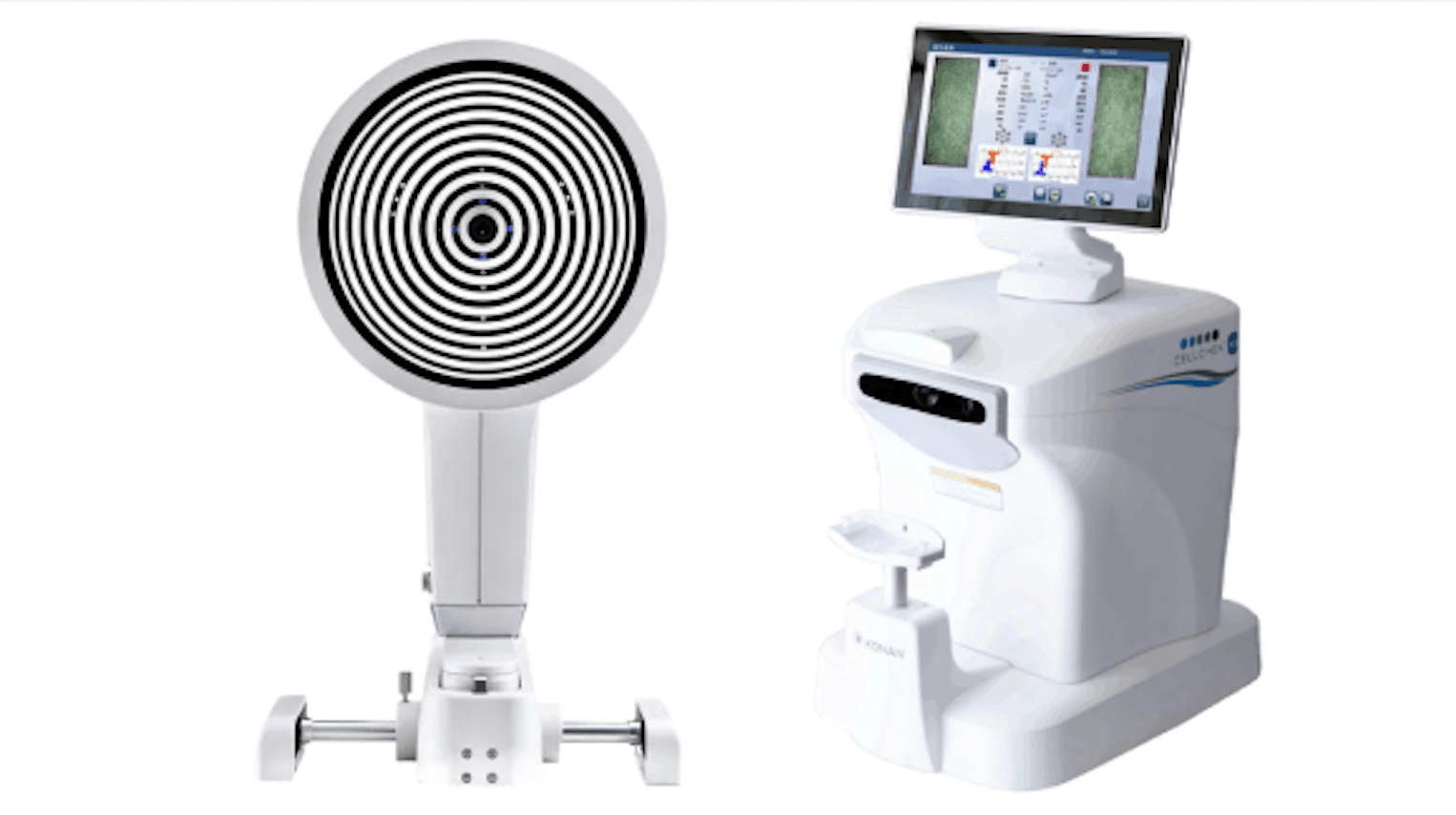
Premium Equipment for Precise Treatment

We operate globally recognized state-of-the-art equipment

Treatment Process

How We Treat

From precise examination to customized treatment, step by step
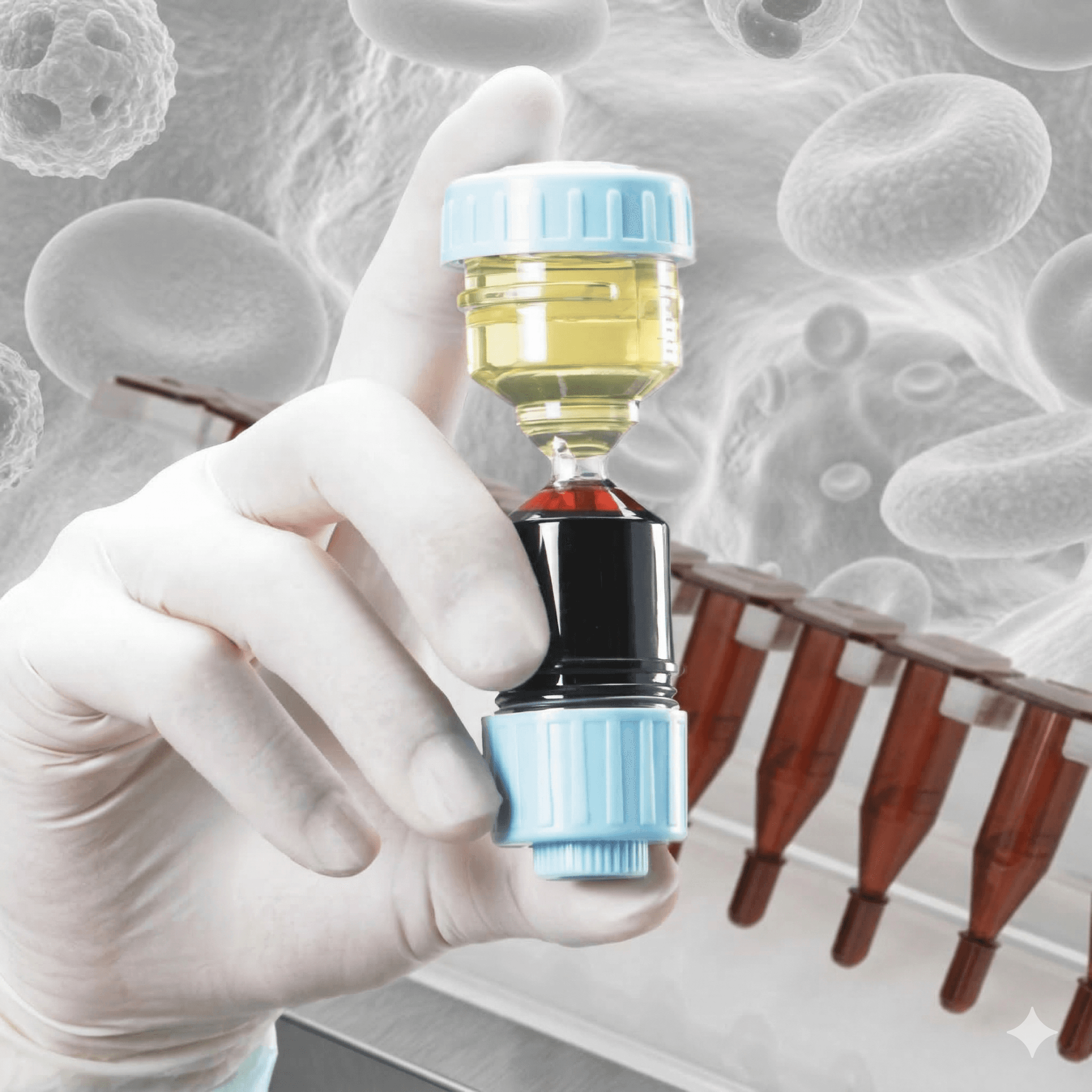
Platelet-Rich Plasma
FAQ

Frequently Asked Questions

Common questions patients ask before the procedure

Q. Can pterygium recur after surgery?Simple excision has 80-90% recurrence rate. Our clinic uses autologous conjunctival grafting to reduce recurrence to under 5%.
Q. Can keratoconus progression be stopped?Corneal collagen cross-linking (CXL) can strengthen the cornea and suppress keratoconus progression. While not curable, timely CXL treatment can halt further progression.
Precautions

Pre & Post Procedure Precautions

Please follow these guidelines for optimal results

Wear sunglasses outdoors
Wear sunglasses outdoorsWear sunglasses for UV protection outdoors
Do not rub or press eyes
Do not rub or press eyesDo not rub or press your eyes
Pain & Discomfort Management
Pain & Discomfort ManagementPain, tearing, and foreign body sensation may occur for 2-3 days after CXL. Use prescribed painkillers and eye drops as scheduled.
Pterygium Recurrence Prevention
Pterygium Recurrence PreventionPrevent pterygium recurrence with UV protection, avoiding dry environments, and regular checkups after surgery.

Related Videos

Need Eye Care Consultation?

Our specialists will guide you with care